Health and Safety Training Statistics UK (2026): Provision, Spend & Coverage
UK employer training statistics: 74% of training employers offered health and safety or first aid training in 2024, with spending and coverage data.
Read more →
Clear, factual guides to risk assessment for UK workplaces — the HSE's five-step process, the risk assessment matrix, who can carry one out and how often to review it, plus the topic-specific assessments employers must do for stress, COSHH, manual handling, fire and more.

UK employer training statistics: 74% of training employers offered health and safety or first aid training in 2024, with spending and coverage data.
Read more →
HSE inspection statistics for Great Britain: 14,927 provisional inspections in 2025/26, the latest quarterly update, staffing and clearly dated spending figures.
Read more →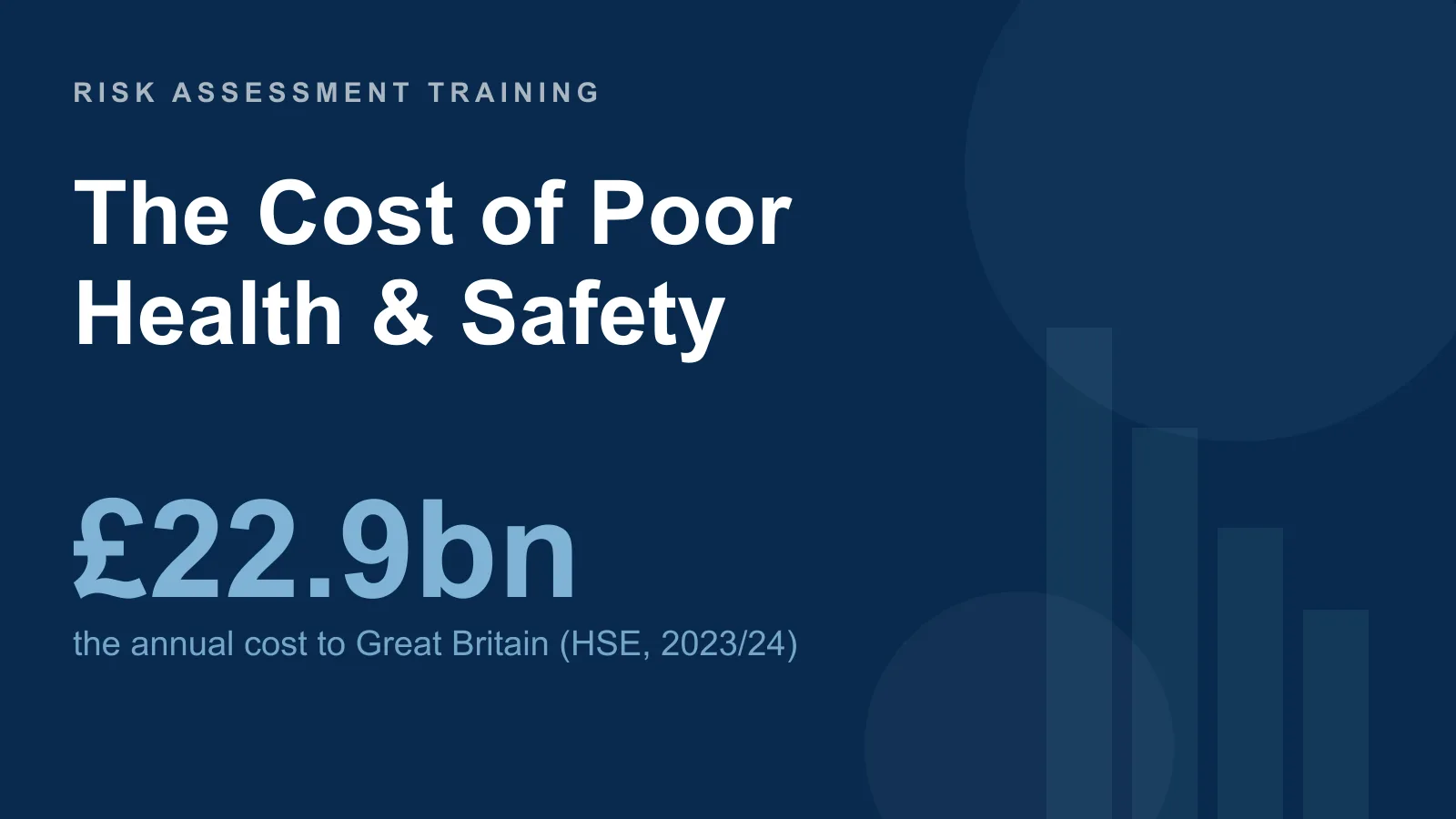
UK workplace cost statistics: HSE’s £22.9bn Great Britain estimate for 2023/24, employer costs, absence and enforcement, with clearly dated sources.
Read more →
DSE and hybrid-working statistics: 28% of GB working adults hybrid worked in early 2025, with context on workstation assessments and employer duties.
Read more →
How to read ISO 45001 certification statistics: certificates, sites, survey coverage and verified milestones, alongside the UK legal position.
Read more →
PPE statistics from BSIF product testing and the WES 2024 survey, with clear sample limits and guidance on equipment selection and fit.
Read more →
Latest England GP fit note statistics: 2.97 million notes in January–March 2026, duration, regional rates and the 2026 reform proposals.
Read more →
UK health and safety pay statistics: £46,444 median full-time annual earnings in 2025, with dated IOSH survey and professional development figures.
Read more →
Occupational health statistics: 31% of GB employers offered OH or vocational rehabilitation in 2024, with separately dated surveys and capacity evidence.
Read more →
UK whistleblowing statistics with clear scope: latest tribunal complaint counts, FCA reports and Protect’s 2025 advice-line findings.
Read more →
Small-business safety statistics: UK SME population, 2024 training and advice data, and clearly dated 2023 risk-assessment survey findings.
Read more →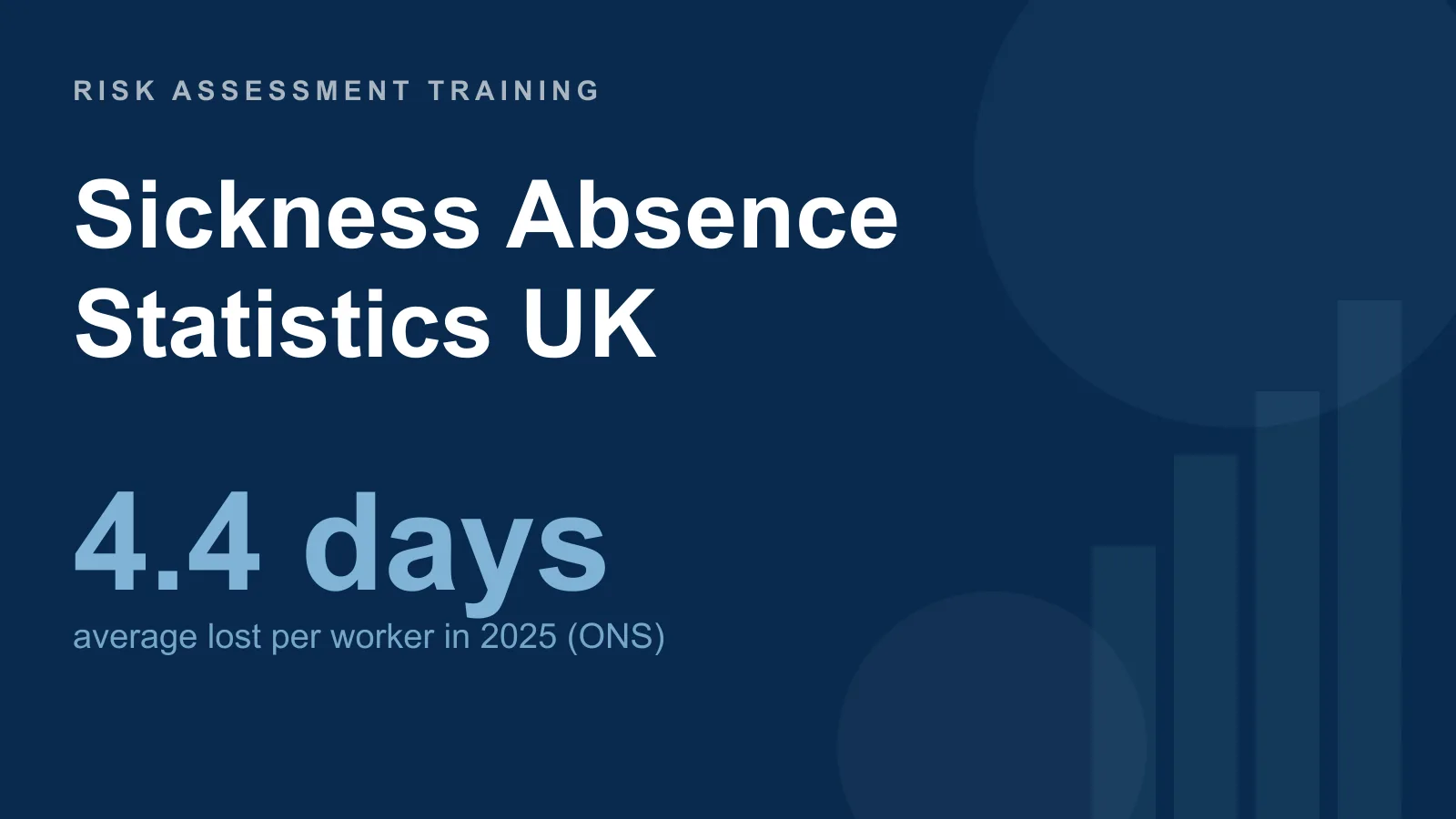
UK sickness absence statistics: 4.4 days per worker in 2025, sector and group differences, plus current NHS and dated Civil Service figures.
Read more →
Latest HSE stress statistics for Great Britain: 964,000 workers and 22.1 million days lost in 2024/25, with clearly dated survey and cost context.
Read more →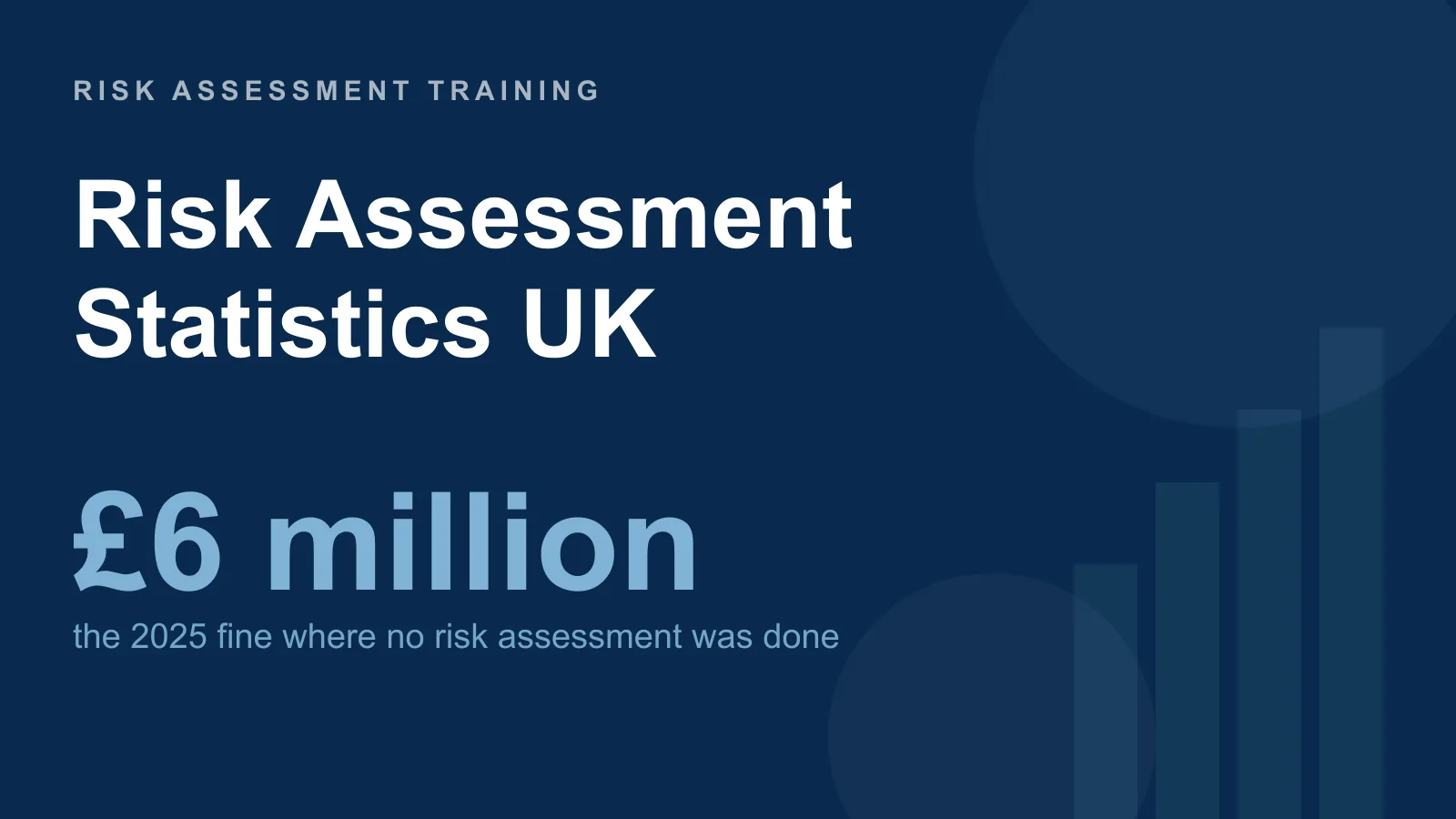
Dated risk assessment and safety statistics: Great Britain ill-health estimates, HSE enforcement and inspection figures, survey limits and legal duties.
Read more →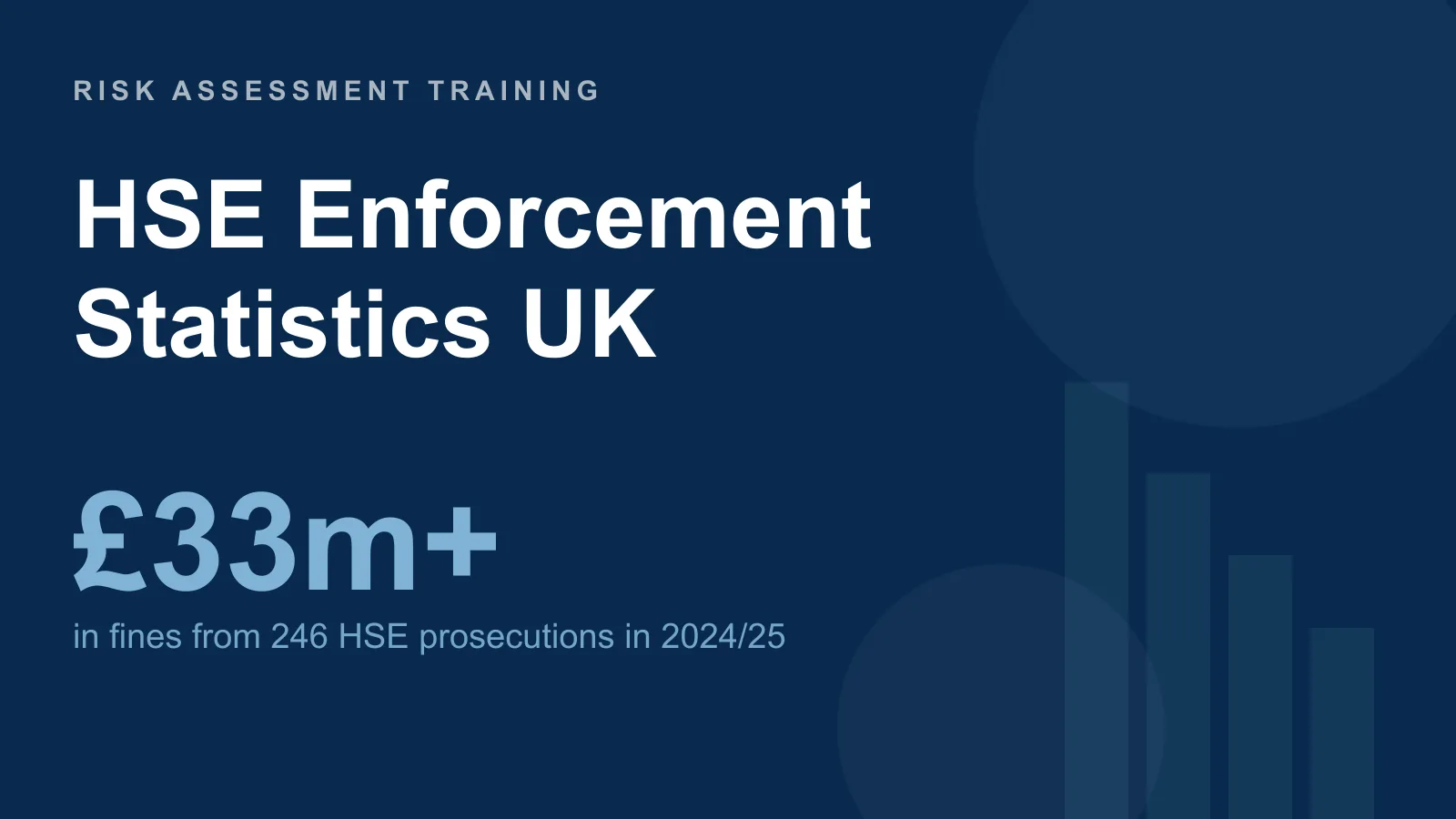
HSE enforcement statistics for Great Britain: 2024/25 prosecutions, fines and notices, provisional 2025/26 inspections and the £188 hourly FFI rate.
Read more →
A COSHH risk assessment covers hazardous substances at work. Here's what's in scope, what isn't, and what HSE expects of the assessment.
Read more →
DSE assessment duties for habitual screen users in Great Britain, including office, home and hybrid work, workstation changes, breaks and eye tests.
Read more →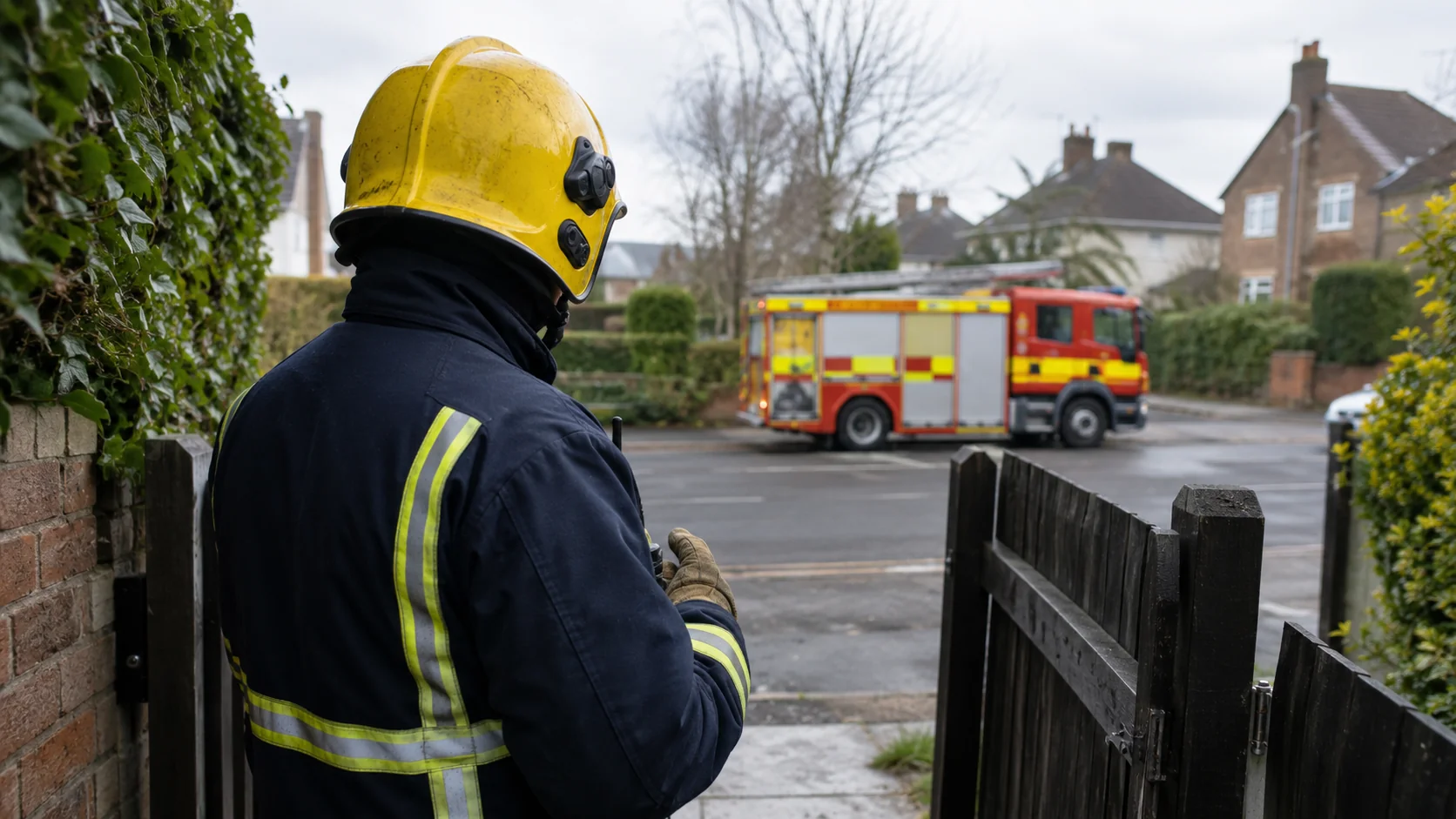
How on-the-spot risk assessment responds to changing conditions, alongside planned assessments, training, supervision and safe systems of work.
Read more →
Fire risk assessment duties, recording requirements and the current residential framework in England, with separate legislation identified for other UK nations.
Read more →
Risk assessment review triggers in Great Britain: significant changes, reasons to doubt validity, incidents and risk-based review arrangements.
Read more →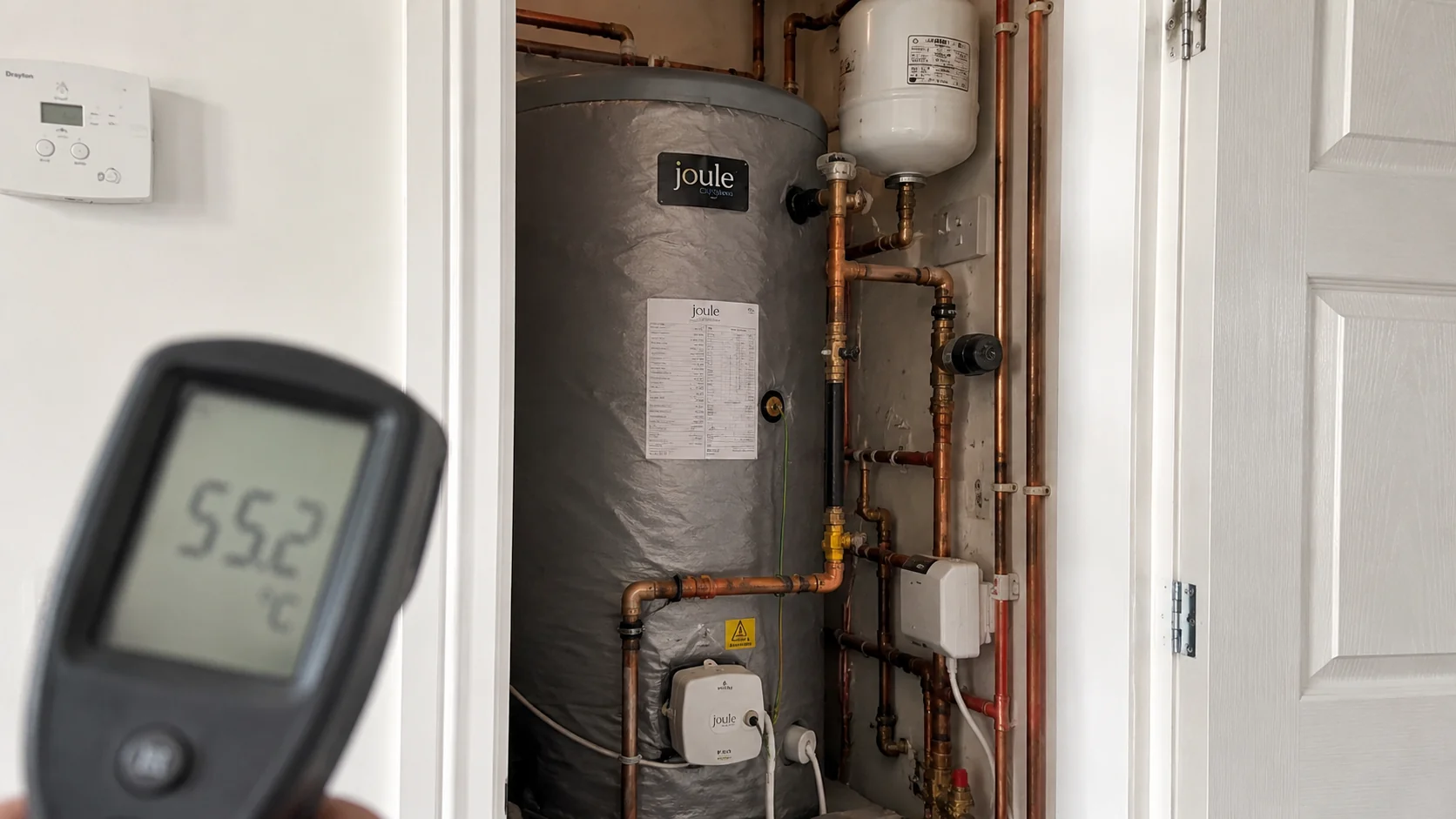
Legionella risk assessment duties for employers and landlords in Great Britain, including competence, water temperature controls, records and review.
Read more →
Assessing and controlling lone-working risks in Great Britain, including monitoring, communication, emergency arrangements and the role of BS 8484.
Read more →
How to assess hazardous manual handling in Great Britain, apply avoid-assess-reduce and use weight guidelines as screening tools rather than safe limits.
Read more →
Pregnancy and new-mother risk assessment duties in Great Britain, including written notification, adjusting work, suitable alternatives and paid suspension.
Read more →
How risk assessments and method statements support safe construction work, with CDM duties, site-specific controls and a worked example.
Read more →
A walk-through of the HSE's five-step risk assessment method, with a worked example and the points where most assessments fall short.
Read more →
Three worked risk assessment examples for UK workplaces — office, warehouse and construction — showing what a completed assessment looks like in practice.
Read more →
How an illustrative 5×5 risk matrix scores likelihood and severity, why score bands vary, and why a low score does not override safety duties.
Read more →
How to assess and control work-related stress in Great Britain using consultation and the HSE Management Standards approach.
Read more →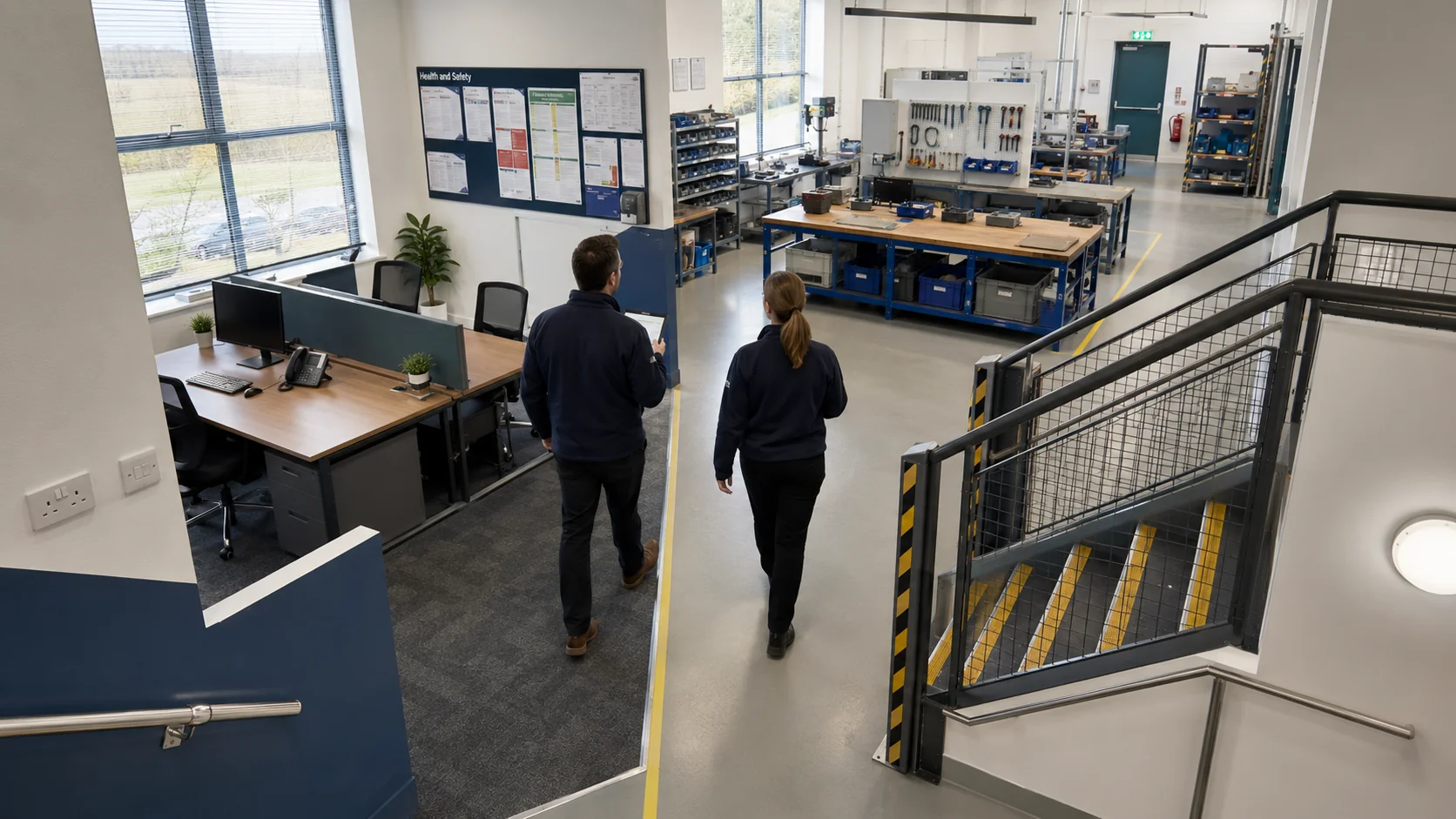
A risk assessment is a structured look at what could cause harm at work. Here's what UK law requires, who must do one, and how the process actually works.
Read more →
The skills, knowledge and experience needed for workplace risk assessment in Great Britain, and when specialist competent help is required.
Read more →
A working at height risk assessment must apply the avoid-prevent-mitigate hierarchy. Here's what UK law requires and where most assessments fall short.
Read more →
The duty to assess workplace risks doesn't shift to the worker just because the workstation is at home. Here's what employers must cover.
Read more →
Risk assessment duties for workers under 18 in Great Britain, including work experience, restrictions and the school-leaving-age definition of a child.
Read more →Our RoSPA-approved, CPD-accredited course gives you an instant printable certificate the moment you pass — from just £14.